
Japanese LED candles aesthetic transcends simple home décor. This meticulously crafted style blends traditional Japanese aesthetics with modern LED technology, creating a serene and visually captivating ambiance. From the subtle color palettes to the thoughtful design elements, these candles offer a unique sensory experience, perfect for those seeking tranquility and understated elegance.
The aesthetic is deeply rooted in Japanese design principles, emphasizing harmony and balance. The use of LED technology allows for a wider range of color options and effects, offering a contemporary twist on a timeless tradition.
Defining the Aesthetic
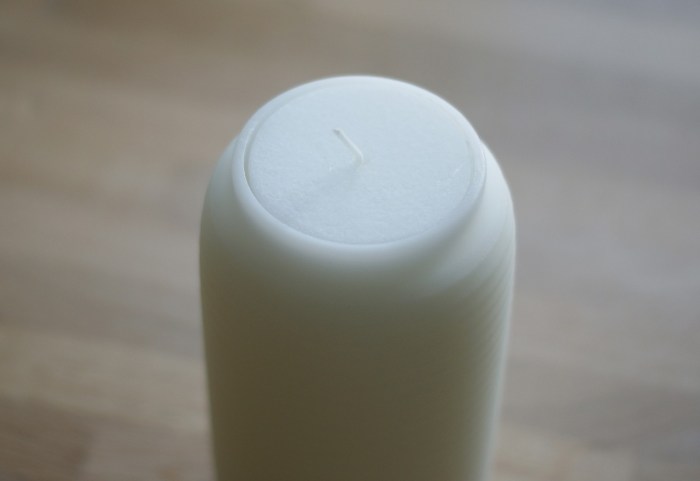
The “Japanese LED candle aesthetic” is a contemporary design approach drawing inspiration from Japanese aesthetics, particularly the principles of minimalism, serenity, and natural harmony. It seeks to create a tranquil and visually appealing atmosphere, often emphasizing subtle lighting and natural elements. This style transcends simple illumination; it’s a carefully curated experience that evokes a sense of peace and connection to the environment.This aesthetic blends modern technology with traditional Japanese sensibilities.
It aims to create a space that is both functional and emotionally resonant, offering a unique take on interior design that blends the practicality of LED lighting with the serene beauty often associated with Japanese culture.
Visual Elements
The visual elements of the Japanese LED candle aesthetic frequently feature natural motifs, simple forms, and subdued color palettes. Images of bamboo, cherry blossoms, or minimalist landscapes are common. The use of muted tones, such as soft grays, creams, and pastels, are often favored to create a calm and serene ambiance. The aesthetic embraces natural materials like wood and stone, often integrated into the design.
The focus is on creating a sense of visual harmony and balance, where the light source itself becomes a part of the overall design.
Cultural and Historical Influences
The aesthetic draws on a deep well of Japanese cultural and historical influences. The concept of “侘び寂び (wabi-sabi)” is a prominent inspiration. This philosophy emphasizes the beauty of imperfection, impermanence, and the acceptance of natural processes. Traditional Japanese gardens, known for their carefully curated simplicity and emphasis on natural elements, are also a source of inspiration. The aesthetic’s embrace of minimalism and serenity is rooted in these historical and cultural traditions.
Emotional Response
The aesthetic is designed to evoke a sense of tranquility and peace. The soft lighting and muted colors create a calming atmosphere, promoting relaxation and mindfulness. The inclusion of natural motifs and textures adds a sense of connection to the environment. This aesthetic is intended to be an invitation to pause, reflect, and appreciate the beauty of the present moment.
Color Palettes
The color palettes commonly used in this aesthetic are subdued and muted, often drawing from nature. Soft grays, creams, and pastels are frequently employed to create a serene and calming ambiance. The use of warm, earthy tones, like light browns and beige, can be used to evoke a sense of groundedness and connection to nature. The absence of harsh or vibrant colors contributes to the overall tranquility of the space.
Lighting
The use of LED lighting is crucial to this aesthetic. The soft, diffused glow of LEDs is preferred over harsh, direct light sources. Dimmable options are often incorporated to allow for customized lighting levels, further enhancing the atmosphere. Lighting is used strategically to highlight specific features and create depth within the space. The overall effect is to mimic natural light and minimize harsh shadows.
Textures
Natural textures, such as wood, stone, and linen, are frequently incorporated into the aesthetic. These materials are often chosen for their ability to create a sense of warmth and connection to the environment. The subtle variations in texture, along with the color palettes, further contribute to the aesthetic’s ability to evoke tranquility. The integration of these textures into the space adds a layer of depth and tactile experience to the overall design.
Product Design and Functionality
Japanese LED candles, reflecting a minimalist aesthetic, prioritize both visual appeal and practical utility. Their design blends seamlessly with contemporary interior decor, while their functionality extends beyond simple illumination, offering a subtle, ambient light source. This careful consideration of form and function is central to the overall appeal of these candles.The functionality of LED candles is driven by a commitment to energy efficiency and longevity.
Their low-power consumption minimizes environmental impact and ensures long-lasting use. This translates to a practical, cost-effective solution for lighting needs, especially for those seeking sustainable alternatives.
Key Design Features
The design of Japanese LED candles emphasizes clean lines, subtle textures, and a focus on natural materials. Shapes often evoke traditional Japanese aesthetics, such as rounded edges and organic forms, in contrast to the angularity often found in Western designs. This creates a serene and harmonious ambiance. Materials like ceramic, glass, and bamboo are frequently employed, adding warmth and a sense of sophistication to the overall presentation.
These choices speak to a deeper appreciation for quality craftsmanship and environmentally conscious materials.
Different Shapes, Sizes, and Materials
A wide variety of shapes, sizes, and materials are used to achieve diverse aesthetic outcomes. Pillar candles, often cylindrical with smooth surfaces, are ideal for creating a focused light source. Tea light-style LED candles, smaller and more compact, are excellent for table settings or creating a diffused glow. Variations in size and shape offer versatility in design, allowing the candles to complement a range of decorative styles.
The use of materials like frosted glass adds a subtle diffusion to the light, while ceramic or bamboo bases provide a grounding touch.
Functionality and Aesthetic Complementarity
The functionality of LED candles directly enhances their aesthetic appeal. The soft, warm glow of the LED light mimics the warm, inviting light of traditional candles, without the inherent drawbacks of open flames. The absence of smoke or soot further elevates the clean aesthetic. The silent operation of LED candles also enhances their ambiance, creating a peaceful atmosphere without the crackling or flickering sounds of traditional candles.
Comparison of LED Candle Types
| Candle Type | Design | Functionality |
|---|---|---|
| Pillar | Tall, cylindrical, smooth surfaces, often with a subtle base design. | Creates a focused, ambient light source; suitable for larger spaces. |
| Tea Light | Small, compact, often mimicking the shape of traditional tea lights, available in various colors and designs. | Creates a diffused, intimate glow; ideal for table settings and creating a warm atmosphere in smaller areas. |
| Floating | Typically small, crafted to sit in water; frequently featuring a unique, reflective base. | Creates a unique, ethereal ambiance; the water adds to the aesthetic. |
Visual Representation
The Japanese LED candle aesthetic, with its emphasis on serenity and tranquility, hinges heavily on visual cues. Careful consideration of color palettes, lighting effects, textures, and evocative imagery are key to achieving the desired mood. This approach differentiates the aesthetic from other lighting design trends, creating a unique and distinct identity.This section delves into the visual elements that define the Japanese LED candle aesthetic, from the specific color palettes and lighting effects to the textures and visual cues that evoke a sense of peace and calm.
Understanding these elements is crucial for effectively capturing the spirit of the aesthetic in product design and marketing materials.
Color Palettes
The color palettes employed in the Japanese LED candle aesthetic frequently lean towards warm, earthy tones. These hues often evoke a sense of comfort and connection to nature. Neutral tones, like beige, cream, and taupe, are also prevalent, contributing to a sense of understated elegance.
| Color Palette | Description |
|---|---|
| Warm Neutrals | A blend of beige, cream, taupe, and light browns, creating a soft and inviting ambiance. |
| Muted Pastels | Soft, subtle shades of lavender, rose, and mint green. These pastels add a touch of delicate beauty. |
| Earthy Tones | Natural shades of ochre, terracotta, and burnt sienna, evoking a connection to nature and the earth. |
Lighting Effects
Warm, soft, and ambient lighting effects are paramount in achieving the desired ambiance. Dim lighting is often favored, creating a sense of intimacy and relaxation. Flickering or subtly shifting light patterns, mimicking the soft glow of natural flames, are also popular choices.
- Warm Lighting: This encompasses a range of yellow-toned lights, creating a cozy and inviting atmosphere.
- Soft Lighting: Subtle illumination that avoids harsh shadows, enhancing the sense of calmness and serenity.
- Ambient Lighting: The lighting should blend seamlessly with the surroundings, drawing attention to the candle without being overpowering.
- Flickering/Shifting Light: Creating a subtle dynamic effect, mimicking the warmth of a real flame.
Textures
The textures associated with the aesthetic often emphasize a sense of natural warmth and softness. Materials like frosted glass, matte finishes, and linen-like fabrics are common. These choices contribute to the overall sense of peace and serenity.
- Frosted Glass: Diffuses light and adds a touch of softness and elegance.
- Matte Finishes: Creates a sense of understated luxury and a smooth tactile experience.
- Linen-like Fabrics: Evokes a sense of natural warmth and comfort.
Visual Elements for Serenity
Visual elements that evoke a sense of serenity and tranquility often incorporate natural imagery, minimalist design, and subtle patterns.
- Natural Imagery: Images of foliage, water, or tranquil landscapes, evoking a sense of connection with nature.
- Minimalist Design: Simple shapes and forms, reducing visual clutter and promoting a sense of calm.
- Subtle Patterns: Delicate patterns, such as subtle floral or bamboo motifs, add a touch of elegance without overwhelming the visual space.
Photo Gallery Ideas
A photo gallery showcasing Japanese LED candles should ideally feature the following:
- Variety of Styles: Showcasing different designs, sizes, and color palettes.
- Ambient Settings: Depicting the candles in various environments that evoke a sense of tranquility, such as a cozy bedroom, a meditation space, or a serene garden.
- High-Quality Imagery: Clear, well-lit photos that highlight the details of the candles and their aesthetic appeal.
- Focus on Texture and Light: Showcasing the subtle textures and the warm, soft lighting effects.
Materials and Craftsmanship
Japanese LED candles, meticulously crafted to evoke a sense of tranquility and tradition, rely on a delicate balance of materials and artistry. The selection of materials, often drawn from centuries-old Japanese aesthetic principles, is critical in achieving the desired visual effect and tactile experience. This approach prioritizes both functionality and the inherent beauty of the materials themselves.The craftsmanship involved in creating these candles transcends mere assembly.
It necessitates a deep understanding of both the materials’ properties and the intended aesthetic. Expert artisans carefully manipulate and integrate components to achieve the desired harmony between form and function. This dedication to detail is evident in the subtle variations in finish and texture, reflecting the meticulous attention to quality that characterizes traditional Japanese artistry.
Materials Used in Production
The materials chosen for Japanese LED candles contribute significantly to their aesthetic appeal. Natural materials, often imbued with cultural significance, are frequently incorporated into the design. This meticulous selection of materials helps to create a sense of serenity and connection to Japanese traditions.
- Wood: Japanese wood types, like cherry or cedar, often employed in traditional crafts, lend a warm, natural tone. The subtle grain patterns and color variations contribute to the candle’s overall visual appeal. The choice of wood type and finish (e.g., polished, lacquered) can significantly impact the aesthetic. Consider how the texture of the wood can subtly complement the smooth glass or metal components of the candle.
- Paper: Traditional Japanese paper, such as washi, is sometimes integrated into the candle design. Its delicate texture and natural hues create a serene and understated elegance. The use of paper can provide a contrasting element to the more robust materials like wood, adding visual depth.
- Metal: Metals like brass or copper, often highly polished or subtly aged, are used for accents and structural elements. The warm tones of these metals, when combined with the cool tones of glass or other materials, create a captivating contrast. The weight and sheen of the metal contribute to the overall sense of craftsmanship and sophistication.
- Glass: The glass used in the candle’s housing or decorative elements is often carefully selected for its clarity and translucence. The choice of glass color, whether clear, frosted, or tinted, affects the candle’s overall aesthetic. This is particularly important when showcasing the light source.
Craftsmanship Techniques
The craftsmanship employed in the production of Japanese LED candles is deeply rooted in traditional Japanese techniques. These methods prioritize meticulous attention to detail, precision, and the preservation of natural beauty.
- Lacquer Application: Traditional lacquer techniques, renowned for their durability and aesthetic appeal, can be employed to enhance the wood components, creating a glossy finish that complements the overall aesthetic. The application of lacquer can also contribute to the candle’s protective layer.
- Washi Paper Integration: The intricate process of incorporating washi paper into the design often involves delicate layering or cutting techniques. The craftsman’s skill is evident in the precision and artistry of the paper’s integration.
- Metalworking: Metalworking techniques, such as polishing or etching, are crucial in creating the subtle patterns or textures that enhance the candle’s aesthetic. The craftsman’s skill in metalworking can elevate the candle’s overall design.
Potential Materials and Visual Properties
Careful selection of materials is paramount in creating Japanese LED candles that resonate with the desired aesthetic. The following materials and their properties can contribute to a harmonious and aesthetically pleasing design.
| Material | Visual Properties |
|---|---|
| Bamboo | Natural, warm tones, straight lines, subtle texture |
| Ebony | Deep, rich black tones, smooth surface, strong visual impact |
| Ceramic | Earthy tones, varied textures (glazed or unglazed), delicate details |
| Silk | Soft, flowing texture, subtle sheen, delicate color palette |
Placement and Ambiance
Japanese LED candles, with their minimalist design and soft glow, are more than just illumination; they’re a statement about the overall ambiance of a space. Their subtle presence allows them to seamlessly integrate into various settings, enhancing the serenity and visual appeal of a room. Strategically placed, these candles can transform a space into a tranquil retreat or a stylish focal point.Careful consideration of placement is key to maximizing the aesthetic impact of these LED candles.
The interplay of light and shadow, and the overall mood they create, are heavily influenced by where they are positioned within a room. Different arrangements evoke distinct atmospheres, from cozy intimacy to expansive elegance.
Typical Placement Strategies
These LED candles are best positioned to create a focal point, drawing the eye to a specific area within a room. They can be placed on surfaces such as side tables, shelves, or mantelpieces, or strategically positioned to complement existing decor. Small groups of candles, clustered together, can create a captivating visual effect, while solitary candles can add a touch of elegance to a corner or alcove.
Room Setting Examples
The versatility of these candles is evident in their adaptability to various room settings. In a minimalist living room, a few candles placed on a clean, low coffee table can enhance the serene atmosphere. In a zen garden, the soft glow of these LED candles can create a tranquil oasis, complementing the natural elements. For a contemporary bedroom, a cluster of candles on a bedside table or dresser can add a warm and inviting glow, without the risk of fire hazard.
In a modern dining area, strategically placed candles on the table can create a warm and intimate setting for a dinner party, emphasizing the beauty of the tableware.
Impact on Visual Effect
Placement directly influences the visual effect of the candles. A group of candles positioned symmetrically on a surface can create a sense of balance and harmony. Placing candles near windows or other light sources can highlight their soft glow, casting warm and inviting shadows across the walls. Conversely, strategically placing them in darker corners of a room can create a sense of depth and mystery.
The height at which they are placed also affects the visual impact, with lower placements creating a more intimate feel and higher placements adding a sense of elevation and sophistication.
Creating a Harmonious Ambiance
Creating a harmonious ambiance around the candles requires consideration of the surrounding décor. The color palette of the candles should complement the existing color scheme of the room. Natural elements like plants and wood accents can enhance the overall serenity and aesthetic appeal. The overall feel should be one of serenity and tranquility, with soft lighting and muted colors creating a warm and inviting atmosphere.
Avoid cluttering the space around the candles; maintaining a sense of openness and visual harmony is key.
Ideal Surroundings
The ideal surroundings for these LED candles are spaces that value simplicity and tranquility. Zen gardens, with their minimalist aesthetic and focus on serenity, provide an ideal backdrop for the candles’ soft glow. Minimalist homes, with their clean lines and neutral color palettes, also offer a perfect setting for these candles to accentuate the room’s design. A modern, contemporary space with a focus on subtle lighting effects can also be beautifully complemented by these LED candles.
The key is to ensure the candles are in harmony with the overall aesthetic of the room.
Cultural Context
Japanese aesthetics, deeply rooted in tradition, play a significant role in shaping the design of these LED candles. The historical reverence for natural elements and the pursuit of tranquility in daily life translate into a unique design philosophy that these candles embody. From the delicate craftsmanship to the symbolic imagery, the design choices resonate with a cultural consciousness that values serenity and harmony.
Historical and Cultural Significance of Candles in Japan
Candles, while not as central to Japanese daily life as incense or tea ceremonies, hold a symbolic place in the country’s history and culture. Traditional Japanese homes often featured oil lamps or candles, particularly during festivals and special occasions. The soft glow of these lights created a warm and inviting ambiance, enhancing the atmosphere of celebrations and rituals.
This historical association with light and warmth informs the design philosophy behind the LED candles, aiming to evoke a similar sense of comfort and occasion.
Influence on LED Candle Design
The design of these LED candles reflects the Japanese appreciation for understated elegance and minimalist aesthetics. Features like smooth, organic shapes, natural color palettes, and subtle textures, aim to create an ambiance that feels serene and harmonious. The materials used in the candles often echo natural elements, further reinforcing this connection to Japanese aesthetics. The candles themselves are often designed to blend seamlessly into the surrounding environment, allowing the light to be the focal point, a testament to the Japanese appreciation for subtlety.
Comparison with Other Cultural Styles
While elements of tranquility and harmony are found in other cultures’ lighting traditions, the specific aesthetic of Japanese LED candles often leans towards a more understated and minimalist approach. Compared to the ornate candle designs found in some European traditions, or the vibrant and colorful lighting of some Southeast Asian cultures, Japanese LED candles tend to favor simplicity and natural tones.
This emphasis on simplicity, coupled with the use of Japanese symbols, distinguishes the style.
Role of Japanese Aesthetics (e.g., Wabi-Sabi)
Wabi-sabi, a Japanese aesthetic that embraces imperfection, simplicity, and the beauty of natural processes, profoundly influences the design of these LED candles. The candles often feature subtly uneven surfaces, imperfect shapes, and natural color variations, reflecting the concept of appreciating the inherent beauty in the imperfect. This is in contrast to more meticulously crafted styles, where the focus is on precision and flawlessness.
Japanese Symbols and Their Interpretations
A key aspect of these LED candles lies in the incorporation of Japanese symbols. Careful consideration is given to the selection of symbols, reflecting the intended mood or occasion. For example, a cherry blossom design might evoke springtime renewal and beauty, while a minimalist mountain silhouette could represent tranquility and resilience. The choice of symbols allows the candles to resonate with a deeper cultural meaning for the user.
- Cherry Blossom (Sakura): Represents beauty, fleeting nature, and the ephemeral beauty of life.
- Bamboo: Symbolizes strength, flexibility, and resilience in the face of adversity. Its graceful swaying in the wind reflects adaptability and steadfastness.
- Japanese Maple Leaf: Often associated with autumn’s beauty and the changing seasons. The intricate patterns of the leaves can be used to add a sense of elegance to the candle’s design.
- Mountains (Fuji): Represents the powerful presence of nature, serenity, and the tranquility that can be found in the natural world.
- Water (waves): Symbolizes purity, calmness, and the endless cycle of life. Water’s flowing motion can be incorporated in a design to represent fluidity and balance.
Market Trends
Japanese LED candles, imbued with a distinct aesthetic, are experiencing a surge in popularity. This growth is driven by a confluence of factors, including a rising interest in ambient lighting, the appeal of sophisticated design, and the eco-conscious appeal of energy-efficient alternatives. The market is evolving beyond simple emulation of traditional Japanese aesthetics, incorporating contemporary designs and functionalities.The current market for Japanese LED candles reflects a shift from a primarily niche product to a more mainstream offering.
This transition is facilitated by innovative designs and marketing strategies, appealing to a broader audience beyond the initial collectors and enthusiasts. The market’s future trajectory suggests continued growth, driven by evolving consumer preferences and technological advancements.
Current Trends
The market is witnessing a move towards more personalized and customizable LED candle options. Consumers are increasingly seeking products that can be integrated into their existing home décor and lighting schemes. This is exemplified by the rise of adjustable color temperature options, allowing users to tailor the candlelight’s ambiance to their mood or the time of day.
Emerging Designs and Functionalities
New designs are incorporating subtle animations and dynamic lighting effects. These effects, often mimicking the flickering of real candle flames, provide a more immersive and engaging experience. Furthermore, smart technology is being integrated into some models, allowing users to control the candles remotely via mobile applications. This opens possibilities for creating sophisticated lighting sequences and personalized ambiance settings.
Comparison with Past Trends
Past trends focused primarily on replicating the visual appearance of traditional Japanese candles. Current trends emphasize enhanced functionality and user experience, including customization and integration with smart home ecosystems. This evolution reflects a wider trend in the lighting industry, where technology is increasingly merging with design to offer more interactive and adaptable solutions.
Potential Future Directions
The market’s future direction likely includes even more sophisticated integration with smart home systems. This integration could enable seamless control of lighting across the entire home, allowing users to create personalized lighting scenarios based on various factors such as time of day, activities, and even personal preferences. This integration may include features such as automatic dimming and color adjustment based on ambient light conditions or even incorporating scents.
The possibilities are virtually endless, as evidenced by the increasing adoption of smart home technology in other sectors.
Target Audience
The target audience encompasses a broad range of consumers, including interior design enthusiasts, those seeking a unique aesthetic, and eco-conscious individuals. Their appreciation for sophisticated design and Japanese aesthetics is a key factor in their appeal to this market. Furthermore, the convenience and energy efficiency offered by these LED candles resonate with environmentally conscious consumers.
Marketing and Branding
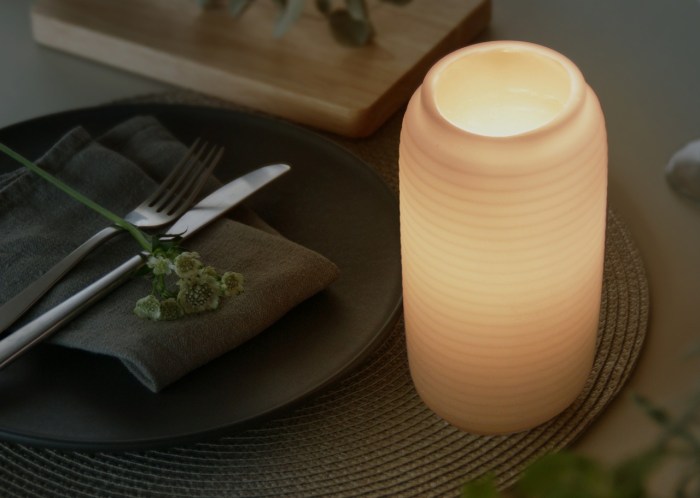
Japanese LED candles, with their delicate aesthetic, present a unique opportunity for a sophisticated marketing strategy. A successful campaign must resonate with the target audience’s appreciation for traditional Japanese artistry and modern design sensibilities, highlighting the candles’ calming ambiance and high-quality craftsmanship. The brand needs to effectively communicate the product’s unique value proposition, differentiating it from mass-market competitors.The key to successful marketing is to leverage the unique cultural and aesthetic elements of the product.
A strong brand identity is paramount, emphasizing the candle’s role as a decorative and functional piece, not just a light source. Emphasizing the calming and meditative aspects of the candles, while highlighting the superior craftsmanship and materials, is crucial for attracting the right clientele.
Potential Marketing Strategies
Effective marketing campaigns should incorporate various channels to reach a broad audience. Digital marketing, with targeted social media campaigns showcasing the product’s beauty and ambiance, is essential. Collaborations with interior design blogs and influencers specializing in Japanese aesthetics can amplify reach and credibility. Public relations initiatives, focusing on press releases and media outreach, can build brand awareness and establish the product as a desirable lifestyle item.
Consider pop-up shops or events in high-traffic areas, showcasing the candles in a serene and visually appealing environment. Finally, consider influencer marketing strategies that leverage personalities with a focus on interior design, lifestyle, and Japanese culture.
Brand Messaging
The brand messaging must clearly articulate the value proposition of the Japanese LED candles. It should highlight the unique craftsmanship, high-quality materials, and the calming ambiance the candles create. The message should evoke a sense of tranquility, mindfulness, and appreciation for Japanese aesthetics. Consider incorporating elements of Japanese philosophy like wabi-sabi, emphasizing the beauty found in imperfection and simplicity.
A core message should revolve around the idea that these candles are not just a light source, but a sophisticated decorative element for the home.
Branding Approaches
| Branding Approach | Focus | Target Audience | Example |
|---|---|---|---|
| Luxury | Premium materials, craftsmanship, unique design | High-income individuals, design enthusiasts | “Experience the serenity of traditional Japanese artistry, meticulously crafted for a sophisticated ambiance.” |
| Sophisticated Minimalism | Clean lines, understated elegance, subtle Japanese motifs | Design-conscious individuals, those seeking a modern aesthetic | “Embrace the quiet beauty of Japanese minimalism. A subtle touch of elegance for your modern home.” |
| Zen-Inspired | Calming ambiance, meditation, relaxation | Individuals seeking tranquility, mindfulness practitioners | “Find your inner peace with the serene glow of Japanese artistry. A gentle light for moments of reflection.” |
Successful Branding Strategies in Similar Product Categories
Numerous successful brands in the home décor and lifestyle industries have established strong identities through storytelling, focusing on specific design aesthetics, and utilizing targeted marketing. For instance, brands like Muji, known for their minimalist design and high-quality materials, have effectively communicated their values through clear messaging and consistent brand imagery. Other successful examples include brands that effectively leverage social media to build community and create an emotional connection with their customers.
Packaging Design
The packaging should visually communicate the brand’s aesthetic and reinforce the product’s value proposition. Consider using muted tones, natural materials like wood or paper, and subtle Japanese motifs such as cherry blossoms or bamboo. The packaging should be elegant, functional, and inspire a sense of mindful luxury. The presentation should complement the candle’s delicate design, enhancing the overall experience.
For example, a sleek, minimalist box with a subtle Japanese-inspired pattern would resonate with a sophisticated customer base.
Sustainability and Ethics
Japanese LED candles, with their elegant aesthetic, present an opportunity for environmentally conscious design. Balancing beauty with sustainability is crucial to resonate with a growing market segment seeking ethical and eco-friendly products. This section explores the environmental footprint of LED candles, examines sustainable material choices, and Artikels ethical sourcing strategies, emphasizing the role of packaging and production in overall sustainability.
Environmental Impact of LED Candles
LED candles, while significantly reducing energy consumption compared to traditional wax candles, still have an environmental impact. Manufacturing processes for LED components, including the extraction of raw materials and the energy required for production, contribute to carbon emissions. The lifespan of the LEDs and the potential for proper disposal and recycling must also be considered. A lifecycle assessment (LCA) is crucial to understanding the overall environmental impact, from raw material extraction to product end-of-life.
This analysis would quantify the carbon footprint of each stage and highlight areas for improvement. The study should also account for the energy savings achieved throughout the candle’s life cycle when compared to traditional wax candles.
Sustainable Materials in LED Candle Production
Several materials offer sustainable alternatives in LED candle production. Recycled aluminum and plastic components can reduce reliance on virgin materials. Bio-based plastics, derived from renewable resources like corn starch or sugarcane, are another option. Bamboo and wood, responsibly sourced, can be used for packaging. The selection of materials directly impacts the product’s environmental footprint.
Ethical Sourcing of Materials
Ethical sourcing is paramount. Suppliers must adhere to fair labor practices, ensuring safe working conditions and fair wages for workers involved in material extraction, component manufacturing, and product assembly. Transparency in the supply chain is essential. Consumers should demand traceability and certifications to ensure that materials are sourced responsibly and ethically. For instance, a company could partner with organizations specializing in sustainable forestry to guarantee the ethical and environmentally sound sourcing of wood for packaging.
Sustainability in the Context of the Aesthetic
Sustainable materials, such as recycled glass or wood, can enhance the aesthetic of LED candles. The natural textures and colors of these materials can complement the elegant design. This approach appeals to consumers who value both beauty and sustainability. For example, incorporating recycled glass into the candle’s base can create a unique and visually appealing design element.
Eco-Friendly Packaging and Production Processes
Minimizing packaging materials and opting for biodegradable or recycled options is crucial. Choosing energy-efficient manufacturing processes, reducing water consumption during production, and minimizing waste throughout the supply chain are all vital steps. The use of renewable energy sources in production facilities can further enhance the environmental credentials. Companies should adopt closed-loop systems to maximize material reuse and minimize waste.
For example, utilizing recycled cardboard for packaging or designing the candle base to be fully recyclable are steps toward eco-friendly practices.
Customer Experience
Japanese consumers value a meticulous and immersive experience, especially when purchasing items with cultural significance. This extends to LED candles, where the sensory appeal and emotional connection are crucial. Creating a carefully curated customer journey that reflects the Japanese aesthetic is key to success in this market. This encompasses not only the product itself but also the packaging, online presence, and after-sales support.The goal is to move beyond simple transaction and create a lasting impression that resonates with the customer’s values.
This means understanding the cultural nuances that shape purchasing decisions and tailoring the experience to meet those expectations. Positive feedback often centers around the calming and atmospheric qualities that these products offer, as well as the perceived craftsmanship and high-quality materials.
Customer Journey Enhancements
Crafting a positive customer journey requires careful attention to every touchpoint. A streamlined online experience, with intuitive navigation and high-quality product imagery, is essential. Providing multiple payment options, including popular Japanese payment methods, can enhance the ease of purchase. Clear and comprehensive product information, including details on materials, craftsmanship, and cultural context, builds trust and informs purchasing decisions.
Finally, seamless returns and exchanges are crucial for customer satisfaction.
Positive Customer Feedback Examples
Positive feedback often highlights the ability of these LED candles to create a serene atmosphere in homes. Customers frequently praise the realistic candlelight effect and the subtle ambiance they create, often using phrases like “peaceful,” “invigorating,” and “relaxing.” Reviews frequently mention the high-quality materials and the craftsmanship evident in the products, fostering a sense of value and appreciation.
Some customers might comment on the candle’s aesthetic fit with their home décor, emphasizing the product’s adaptability and ability to enhance the overall visual appeal.
Customer Service Strategies
Delivering exceptional customer service is critical for building long-term relationships and brand loyalty. A dedicated customer service team fluent in Japanese, capable of providing prompt and helpful support, is essential. Offering multiple communication channels, such as email, live chat, and phone, caters to various preferences. Prompt responses to inquiries, clear and concise information, and proactive follow-up demonstrate a commitment to customer satisfaction.
| Customer Service Strategy | Implementation Detail |
|---|---|
| Multilingual Support | Employ staff fluent in Japanese, English, and other relevant languages. |
| Multiple Channels | Provide email, live chat, and phone support options. |
| Proactive Communication | Send automated confirmation emails, and follow up on inquiries. |
| Personalized Responses | Address customer concerns with specific, tailored replies. |
| Efficient Resolution | Resolve issues quickly and effectively, minimizing wait times. |
Tailoring to the Japanese Market
Understanding the Japanese market requires awareness of cultural values. Japanese consumers highly value quality, craftsmanship, and aesthetics. Incorporating traditional Japanese design elements, such as minimalist aesthetics or natural motifs, into the product packaging and branding can resonate deeply. Offering limited-edition collections or collaborations with Japanese artists can also enhance perceived value and desirability. The importance of gift-giving in Japanese culture should be considered in product presentation and packaging.
Japanese consumers often appreciate products that offer a sense of serenity and tranquility, which should be reflected in the marketing materials and customer experience.
Potential Uses
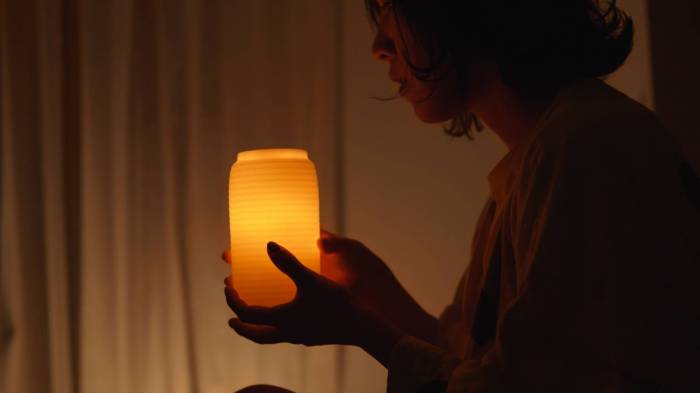
Japanese LED candles, with their delicate aesthetic and functional design, offer a versatile platform for applications beyond the traditional home setting. Their adaptable nature allows for seamless integration into diverse environments, expanding their market appeal and driving revenue streams for businesses.These candles transcend their role as mere decorative elements. Their subtle light and intricate designs can evoke a sense of calm and sophistication, making them ideal for a wide array of commercial and personal spaces.
This expanded market reach is vital for profitability and scalability.
Commercial Applications
The aesthetic of these LED candles can be effectively leveraged in various commercial spaces. Their warm, inviting glow is perfect for creating a calming and sophisticated atmosphere in cafes, restaurants, and spas.
- Cafes and Restaurants: The gentle illumination of LED candles can create a more intimate and inviting ambiance for diners. Imagine a cafe with low tables and soft lighting, accented by subtly-designed LED candles in various sizes and colors. This creates a warm and welcoming atmosphere, encouraging longer stays and higher customer satisfaction.
- Spas and Wellness Centers: The soothing glow of these candles is ideal for promoting relaxation and tranquility. The calming ambiance, combined with the subtle fragrance diffusers, can enhance the overall spa experience. Custom-designed, smaller LED candles with aromatherapy diffusers integrated into the base could be offered for a premium experience.
- Retail Spaces: The visual appeal of the candles can be employed to highlight products and draw attention to specific areas in a retail setting. Different color palettes and intricate designs can be used to emphasize particular collections or product lines, enhancing visual appeal and customer engagement. A jewelry store could utilize these candles to highlight delicate pieces or create a special ambiance for high-value items.
Product Design Adaptations
The design of these LED candles can be adapted for specific uses. Adaptability is key to success in a diverse market.
- Size and Shape Variations: Different sizes and shapes can be developed for various applications. Tabletop candles could be designed for cafes, while smaller, more portable units could be ideal for personal use or for use in event spaces. A tiered candle arrangement could be used to create an impressive display in a high-end retail space.
- Color and Light Options: The color palette can be extended to cater to different preferences and settings. Warm, inviting hues can be used in cafes, while a spa might benefit from cooler, calming tones. The use of adjustable light intensities allows for customizable ambiance control. In a restaurant, subtle color-changing patterns could enhance the dining experience.
- Integrated Features: Integrating features such as aromatherapy diffusers or subtle sound systems could enhance the user experience in certain settings. Imagine a spa candle that subtly diffuses essential oils or emits calming nature sounds. This adds value and creates a unique selling proposition.
Business Plan Integration
Adapting the aesthetic for different purposes is crucial for expanding product lines. This involves a strategic approach to product development and marketing.
- Product Line Expansion: Expanding the product line to include different sizes, shapes, colors, and integrated features can cater to a wider range of customers and applications. A product line could include candles for home decor, candles for spas, candles for restaurants, and event candles. This allows the company to target various markets and increase revenue streams.
- Targeted Marketing: Marketing campaigns should focus on the specific benefits of the candles for each application. Highlighting the ability to create a specific ambiance for each setting is crucial. Marketing materials for cafes would differ from marketing materials for spas.
- Collaboration Opportunities: Partnering with businesses in the hospitality or wellness industries can provide access to new markets and expand brand visibility. A collaboration with a hotel chain could result in exclusive designs and wider distribution.
End of Discussion
In conclusion, Japanese LED candles aesthetic offers a compelling blend of traditional artistry and modern functionality. This unique style, with its focus on serenity and tranquility, provides a powerful means of expression and personal connection. The market potential is significant, particularly for those seeking a sophisticated and aesthetically pleasing home environment.
